Frequently Asked Questions
Welcome to the Trail Wanderer FAQ section! Here, we've compiled answers to common questions about hiking, our services, and how to make the most of your outdoor adventures. If you don't find what you're looking for, please don't hesitate to contact us .
Hiking Basics
The "best" time to hike is highly subjective and depends on your location, desired scenery, and tolerance for weather conditions. Generally, spring and autumn offer mild temperatures and beautiful foliage. Summer is great for higher altitudes and longer days but can be hot and crowded. Winter hiking requires specialized gear and experience, but rewards with solitude and stunning snow-covered landscapes. Always research the specific conditions for your chosen trail and season.
For a typical day hike, consider packing the following:
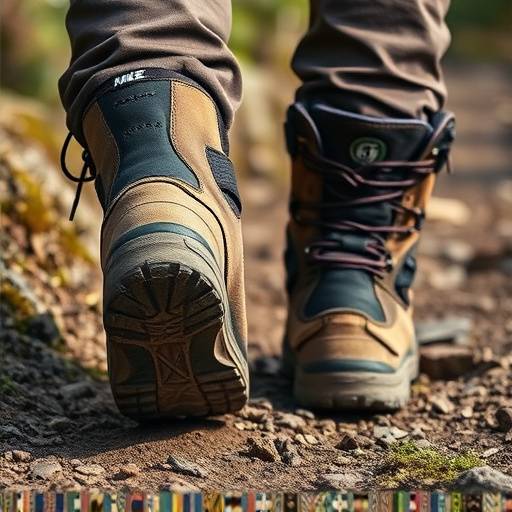
- Sturdy Footwear: Well-broken-in hiking boots or trail shoes with good traction.
- Appropriate Clothing: Layers made of moisture-wicking, quick-drying material (avoid cotton). A waterproof and windproof outer shell is crucial.
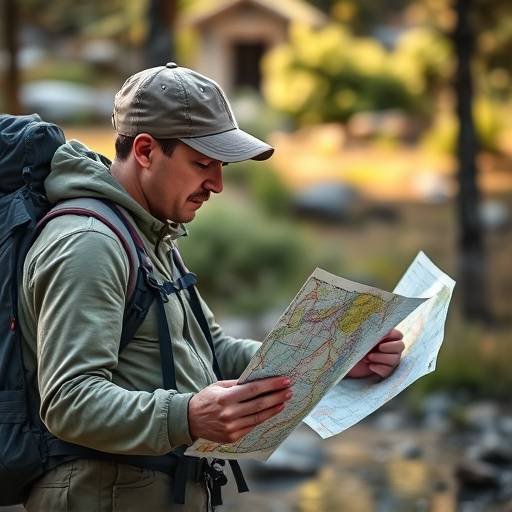
- Navigation: A map and compass, and know how to use them. A GPS device or smartphone app can be a good supplement.
- Sun Protection: Sunscreen, sunglasses, and a hat.
- Illumination: A headlamp or flashlight with extra batteries.
- First-Aid Kit: Including any personal medications.
- Fire Starter: Waterproof matches, lighter, or ferro rod.
- Repair Kit and Tools: Duct tape, knife, multi-tool.
- Shelter: An emergency blanket or lightweight tarp.
- Nutrition: Plenty of high-energy snacks and a packed lunch.
- Hydration: At least 2 liters of water, or a water filter/purification tablets.
- Insulation: An extra layer of clothing, even in warm weather.
This list is often referred to as the "Ten Essentials" and is a great starting point for any outdoor excursion.
Choosing the right trail involves considering several factors:
- Your Fitness Level: Be realistic about your current physical condition. Start with shorter, flatter trails and gradually increase difficulty.
- Time Availability: How much time do you have? Factor in travel time to and from the trailhead, as well as the hike itself.
- Desired Scenery: Are you looking for waterfalls, panoramic views, forests, or desert landscapes?
- Trail Conditions: Research recent trail reports for closures, snow, mud, or other hazards. Websites like AllTrails, local park services, and hiking forums are excellent resources.
- Crowds: If you prefer solitude, opt for less popular trails or hike during off-peak hours and seasons.
- Accessibility: Consider if the trail is suitable for all members of your group, including children or those with mobility issues.
Trail Wanderer's Guides section offers curated recommendations for various skill levels and interests, helping you find your perfect path.
Leave No Trace (LNT) is an environmental ethics program that focuses on protecting the outdoors by making responsible, low-impact decisions. The seven core principles are:
- Plan Ahead and Prepare: Know the regulations and special concerns for the area you'll visit.
- Travel and Camp on Durable Surfaces: Stay on trails, camp in designated sites, and avoid trampling vegetation.
- Dispose of Waste Properly: Pack it in, pack it out. This includes all trash, food scraps, and even biodegradable items like fruit peels.
- Leave What You Find: Do not take or alter natural objects or cultural artifacts.
- Minimize Campfire Impacts: Use established fire rings, keep fires small, and ensure they are completely out before leaving.
- Respect Wildlife: Observe wildlife from a distance, never feed animals, and store food securely.
- Be Considerate of Other Visitors: Yield to others on the trail, keep noise levels down, and respect others' experience.
Adhering to these principles helps preserve natural beauty for future generations.
Trail Etiquette and Safety
Trail etiquette refers to the unwritten rules and courtesies that promote a safe, enjoyable, and respectful experience for all users of a trail. It's crucial for ensuring that everyone, from hikers and bikers to equestrians and nature lovers, can share the same spaces harmoniously. Key aspects include:
- Yielding the Right-of-Way: Generally, hikers going uphill have the right-of-way over those going downhill. Equestrians typically have the right-of-way over cyclists and hikers. Bicycles should yield to pedestrians and equestrians. Communicate clearly with approaching users.
- Staying to the Right: On multi-use trails, especially if there's no clear protocol, it's common courtesy to stay to the right.
- Keeping Pets Under Control: Always keep your dog on a leash and clean up after them. This protects wildlife, prevents encounters with other animals, and ensures a pleasant experience for others.
- Controlling Noise: Keep voices and music at a reasonable level to avoid disturbing wildlife and other visitors' peace.
- Being Prepared: Carry the essentials and inform someone of your hiking plans.
Respecting these guidelines fosters a positive environment and helps maintain the integrity of our natural spaces.
Encountering wildlife can be a highlight of any hike, but it's important to react appropriately to ensure your safety and the animal's well-being. Here are general guidelines:
- Observe from a Distance: Never approach wildlife, no matter how calm it seems. Use binoculars or a zoom lens if you want a closer look.
- Do Not Feed Wildlife: Feeding animals can alter their natural behavior, lead to dependency, and make them aggressive or more susceptible to disease.
- Make Your Presence Known (for some animals): For larger animals like bears or moose, making noise can help prevent surprise encounters. Talk in a normal voice, clap your hands, or sing.
- Back Away Slowly: If an animal approaches you, back away slowly and calmly. Do not run, as this can trigger a chase response.
- Know Specific Animal Behavior: Research the common wildlife in the area you're visiting. For example, if you see a bear cub, assume the mother is nearby and be extremely cautious.
- Secure Your Food: Always store food properly, especially when camping, to avoid attracting animals to your campsite.
If you feel threatened or encounter an animal acting aggressively, retreat to a safe distance and contact park rangers or local authorities if necessary.
Hiking alone can be incredibly rewarding, but it requires extra preparedness and awareness. Here are some safety tips:
- Tell Someone Your Plans: Always inform a trusted friend or family member about your hiking route, expected return time, and who to contact if you don't check in.
- Choose Familiar or Well-Trafficked Trails: Especially when starting out or if you're new to the area.
- Carry Essential Gear: Ensure you have the "Ten Essentials" (mentioned above), even for short hikes.
- Know Your Limits: Don't push yourself beyond your physical capabilities.
- Stay Aware of Your Surroundings: Pay attention to trail markers, landmarks, and potential hazards.
- Carry a Communication Device: A fully charged mobile phone is essential. Consider a satellite messenger or personal locator beacon (PLB) for areas with no cell service.
- Be Prepared for Weather Changes: Mountain weather can change rapidly. Check the forecast before you go and pack accordingly.
- Trust Your Instincts: If a situation feels unsafe, it probably is. Turn back or take a different route if necessary.
While solo hiking offers freedom, prioritizing safety through preparation and awareness is paramount.
While often used interchangeably, there can be subtle differences. Generally, a trail is a designated route designed for outdoor recreation, often improved with markers, signage, and sometimes maintenance. Trails are typically intended for specific activities like hiking, biking, or horseback riding and are found in parks, forests, and wilderness areas. They are created and maintained by organizations or government bodies.
A path can be a more informal route, sometimes naturally formed by repeated use by humans or animals. It might be less defined, less maintained, and could be found in various settings, from urban parks to rural countryside. However, in many contexts, especially when discussing recreational use, the terms can overlap significantly, and a well-established path might be considered a type of trail.
On Trail Wanderer, we focus on documented and generally safe hiking and trekking routes, which are typically considered trails.
About Trail Wanderer
Trail Wanderer's mission is to inspire, inform, and empower individuals to explore the great outdoors through accessible and comprehensive hiking resources. We aim to be your trusted companion in discovering breathtaking landscapes, understanding trail etiquette, and fostering a deep connection with nature. We believe that everyone, regardless of experience level, should have the opportunity to embark on unforgettable hiking adventures.
Trail Wanderer provides a wealth of resources designed to enhance your hiking experience:
- Curated Guides: Detailed descriptions of trails, including difficulty, length, elevation gain, and points of interest.
- Expert Advice: Articles and tips on gear selection, safety, navigation, and Leave No Trace principles.
- Community Features: (Future development) Opportunities to share your experiences and connect with fellow hikers.
- Interactive Maps: Tools to plan your routes and discover new destinations.
- This FAQ: Answers to your most pressing questions to ensure you're well-prepared.
Our goal is to demystify hiking and make it more approachable and enjoyable for everyone.
Trail Wanderer was founded by a team of passionate outdoor enthusiasts and experienced hikers, including lead guide and nature writer, Elara Meadowlight, and digital cartographer, Finnian Ridge. Our contributors include seasoned adventurers and environmental advocates dedicated to promoting responsible outdoor recreation. We are united by a love for the wilderness and a desire to share its wonders.
Absolutely! We are always looking for exceptional trails to add to our collection. If you have a favorite hike or a hidden gem you'd like to share, please visit our Contact page and submit your suggestion. Please include as much detail as possible, such as the trail name, location, difficulty, highlights, and any relevant photos or links. Our team will review your submission, and if it fits our criteria, we'll consider featuring it!
We hope this FAQ section has been helpful. Remember, the best way to learn about hiking is to get out there and experience it safely and responsibly. Happy trails!