Our Pledge to Inclusivity
At Trail Wanderer, we believe that the joy of exploring nature should be accessible to everyone, regardless of their abilities. Our mission is to inspire and equip hikers of all backgrounds for their next adventure. This extends to our digital presence, where we are deeply committed to creating a website that is usable and enjoyable for people with disabilities. We strive to meet and exceed Web Content Accessibility Guidelines (WCAG) 2.1 AA standards, making our online platform a welcoming gateway for all.
We understand that accessibility is an ongoing journey, not a destination. We are continuously working to improve our website's usability and inclusivity. This page outlines our commitment and the specific features we have implemented to ensure a seamless experience for every user. We want to empower you with information, guides, and resources to embark on your hiking journeys with confidence.
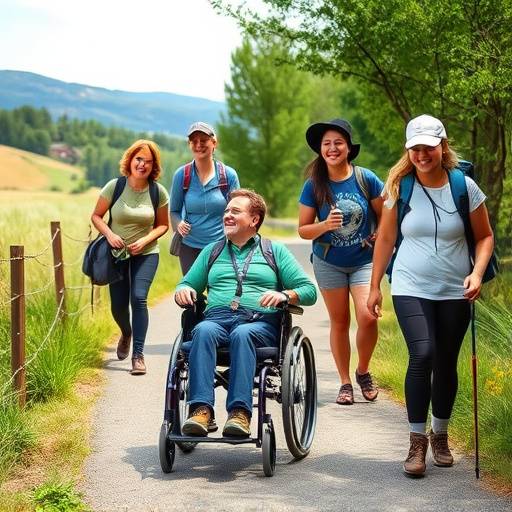
This commitment means that when you visit Trail Wanderer, you can expect a website that respects your needs and provides a clear, navigable, and understandable experience. We aim to eliminate barriers and foster a sense of community where every individual feels valued and included.
Implemented Accessibility Features
We have meticulously designed and developed our website with a range of accessibility features, focusing on key areas to ensure broad usability:
-
Keyboard Navigation
All interactive elements, including links, buttons, and form fields, are fully navigable using only a keyboard. A clear focus indicator highlights the currently selected element, allowing users to understand their position on the page without a mouse. The ability to skip directly to main content further enhances keyboard usability.
-
Screen Reader Compatibility
We use semantic HTML and ARIA attributes where necessary to provide meaningful structure and context for screen readers. Page titles, headings, image alternative text, and form labels are all carefully crafted to be read aloud clearly and logically by assistive technologies, enabling users to understand the content and interact with the site effectively.
-
Sufficient Color Contrast
The color palette used throughout Trail Wanderer adheres to WCAG 2.1 AA standards for text and background contrast. This ensures that text is legible for users with low vision or color blindness. Our design prioritizes clarity and readability in all scenarios.
-
Resizable Text
Users can adjust the text size through their browser settings without loss of content or functionality. Our responsive design ensures that layouts adapt gracefully, maintaining readability and usability even when text is enlarged significantly.
-
Clear and Consistent Navigation
The website features a consistent and predictable navigation system across all pages. The main navigation menu is always accessible, and breadcrumbs are used on deeper pages to help users understand their location within the site hierarchy and easily navigate back to previous sections.
-
Descriptive Alt Text for Images
Every image on our website includes descriptive alternative text (alt text). This text conveys the essential information or function of the image to users who cannot see it, such as those using screen readers or in situations where images fail to load. Meaningful alt text is crucial for a complete understanding of the content.
-
Form Accessibility
Our forms are designed with clear labels, instructions, and error messages. Users receive clear guidance on how to fill out fields, and any errors are communicated effectively and accessibly, making it easier for everyone to submit information or contact us.
-
Semantic HTML Structure
We utilize HTML5 semantic elements (e.g., `
`, `

User Feedback and Continuous Improvement
Your experience is paramount to us. We are dedicated to making Trail Wanderer the most inclusive platform for hiking enthusiasts. We actively seek feedback from our users, especially those who utilize assistive technologies or have experienced challenges navigating our site.
"Trail Wanderer has made it so much easier for me to plan my outdoor excursions. The website is intuitive and the commitment to accessibility is evident. I can find the information I need quickly and efficiently, which is a game-changer for me."
If you encounter any accessibility barriers while using our website, or if you have suggestions on how we can improve, please do not hesitate to reach out. Your input is invaluable in helping us refine our practices and ensure our platform truly serves everyone.
We are committed to responding to your feedback promptly and taking action to address any issues identified. We regularly review our accessibility features and undergo testing to ensure we are adhering to the latest standards and best practices.
Share Your Feedback
We encourage you to contact us with any accessibility concerns or suggestions:
Or you can reach us directly via email at: [email protected]
Example of Accessibility in Action: Our Hiking Guides
Our hiking guides are meticulously crafted with accessibility in mind. Each guide includes:
- Clear, large-print descriptions of trails.
- Information on trail difficulty and terrain, described in an accessible manner.
- Details about accessible facilities, such as parking, restrooms, and trail surfaces.
- Option to download trail information in accessible document formats.
- High-contrast maps that can be zoomed and navigated easily.
We aim to provide comprehensive details that cater to a wide range of needs, ensuring that planning your next hike is a stress-free and inclusive process.